
Mastering the art of threshold training and double threshold sessions will transform your aerobic capacity from mediocre to elite within a single season. When studying the career of Jakob Ingebrigtsen, it becomes clear that his success is not merely a product of genetic fortune but rather a meticulously calculated approach to volume and intensity. Many observers who analyze high-performance sports often draw parallels between the precision of track timing and the analytical depth found in Iwin platforms, where every millisecond and statistical outlier matters. Understanding the nuance of cách chơi cá cược bóng đá requires the same level of data-driven dedication that this Norwegian athlete applies to his lactate testing and recovery protocols. By adopting a scientific mindset toward performance, athletes can unlock levels of speed that were previously thought to be unreachable without overtraining.
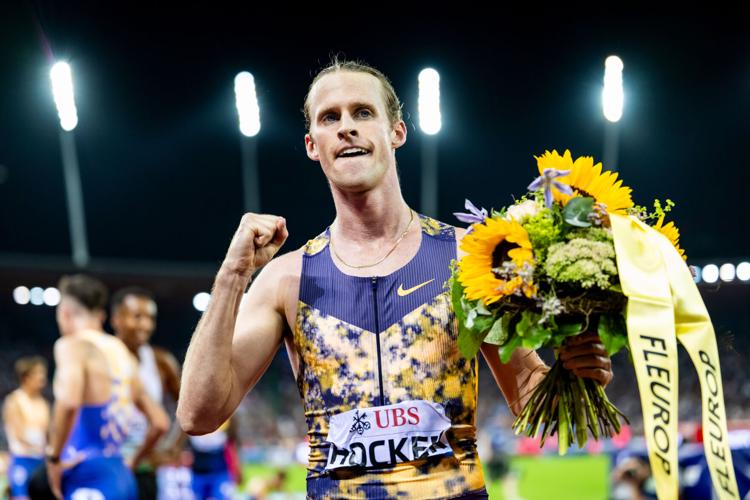
The rise of the Ingebrigtsen family has rewritten the traditional coaching manuals used for decades. The specific methodology employed by the youngest brother has set a new standard for consistency and durability on the global stage. A significant portion of modern runners now look toward the Sandnes model as the definitive blueprint for long-term athletic development. For those who seek to replicate this success, it is essential to understand that the foundation is built on thousands of miles of controlled running rather than sporadic bursts of maximum effort. One thing very few actually pay attention to is the psychological resilience required to maintain such a rigid schedule under the scrutiny of the world media. This mental toughness is a common trait among top-tier performers, much like the strategic patience needed when learning cách chơi cá cược bóng đá in a competitive environment.
How Jakob Ingebrigtsen Redefined the 1500m Pace
The 1500-meter event has historically been a tactical affair where the fastest kicker usually secures the gold medal in a slow-paced final. Notably, the approach taken by the Norwegian phenom has fundamentally shifted this dynamic toward a fast, honest pace from the gun. By leading from the front and squeezing the life out of the competition, he ensures that the race is a true test of aerobic power rather than a 400-meter sprint finish. This aggressive front-running style serves a dual purpose by neutralizing the kick of pure sprinters and establishing a rhythm that few can sustain. In addition, this strategy forces opponents to make split-second decisions under extreme physiological stress.
The Science of the Sandnes Front-Running Strategy
One of the most impressive aspects of this front-running technique is the ability to maintain a perfectly even split throughout the entire race. While most runners experience a significant drop in velocity during the third lap, this athlete utilizes years of threshold training to keep the pace relentless. Another key aspect of this method is the psychological pressure it exerts on the pack, as they are forced to decide whether to follow the blistering pace or fall back and hope for a collapse. This calculated risk-taking is reminiscent of the analytical strategies used by enthusiasts who study cách chơi cá cược bóng đá to identify value in high-stakes matches. The precision of the pacing ensures that by the final 200 meters, the competition is too fatigued to execute their trademark sprint finishes.
Managing High-Volume Intensity in Championship Finals
Success in back-to-back championship races requires a recovery system that is second to none. For those who follow the Diamond League circuit, it is evident that the ability to bounce back from a grueling 1500m heat to win a 5000m final is a testament to the Norwegian training system. Jakob Ingebrigtsen utilizes a specific cooling and nutrition protocol that allows his muscles to clear metabolic waste faster than his rivals. This level of professional preparation ensures that he remains the favorite regardless of the distance or the frequency of the races. The structural integrity of his training plan allows for peak performance exactly when the lights are brightest.
The Double Threshold Training Model of Jakob Ingebrigtsen
The core of the Norwegian success story lies in the implementation of the double threshold training day. Instead of one massive session that leaves the athlete exhausted for days, the workload is split into two controlled sessions on the same day. This allows for a higher total volume of work at a specific intensity without crossing the line into overtraining or injury. For those who are serious about endurance, this model provides a sustainable way to increase the aerobic ceiling without the risks associated with traditional high-intensity interval training. The brand of running promoted by the Ingebrigtsen family emphasizes data over “feeling,” using lactate meters to ensure every step is purposeful.
Lactate Monitoring and Physiological Precision
During these double threshold days, blood lactate levels are checked constantly to ensure the athlete stays within the optimal zone. This level of precision ensures that the body is being stressed enough to adapt but not so much that it requires extended recovery. Notably, this data-centric approach removes the guesswork from the training process, allowing for a more predictable progression toward peak form. In addition, this method builds a massive aerobic engine that serves as the primary weapon in the final stages of a race. The dedication to monitoring metrics is a hallmark of elite performance in any field, whether it be athletics or the complex world of cách chơi cá cược bóng đá and sports analytics.
Balancing Aerobic Capacity and Speed Endurance
While the focus is often on the aerobic engine, the training also incorporates specific speed endurance sessions to maintain the ability to close fast. Beyond that, the transition from heavy volume to race-specific speed is managed with surgical precision during the outdoor season. This balance ensures that the athlete does not lose their “top gear” despite the heavy emphasis on threshold work. It is this unique combination of a marathoner’s engine and a miler’s speed that makes the Norwegian a formidable opponent on any track in the world. The synergy between these two energy systems is the result of years of consistent, disciplined application of the Sandnes philosophy.
Jakob Ingebrigtsen and the Pursuit of World Records
The ambition to hold world records across multiple distances has driven this athlete to explore the limits of human potential. From the indoor 1500m to the outdoor 2000m and 3000m, the record books are increasingly dominated by the Ingebrigtsen name. This pursuit is not just about personal glory but about proving that the training methodology is superior to all others. Each record attempt is treated as a scientific experiment, with pace lights and specialized shoes used to optimize every variable. A significant portion of the running community views these attempts as the pinnacle of modern sports science in action.
The Role of Technology in Modern Middle-Distance Running

The introduction of “super spikes” and light-based pacing technology has undoubtedly aided the quest for faster times. However, it is the athlete’s ability to capitalize on these tools through superior fitness that creates the gap between him and the rest of the field. Jakob Ingebrigtsen has been vocal about his support for technological advancements, viewing them as a way to push the sport into a new era of performance. Another key aspect is the use of wind tunnels and biomechanical analysis to refine running form for maximum efficiency. Every small gain in aerodynamics or energy return contributes to the record-breaking performances seen on the global circuit.
Future Targets and the 1500m World Record
The ultimate goal remains the long-standing 1500m world record, a mark that has stood for decades against the best runners in history. Breaking this record would solidify the legacy of the Norwegian system as the most effective training program ever devised. For those who follow the sport closely, the question is not if the record will fall, but when. The progression of times over the last few seasons suggests that the gap is closing rapidly. This journey toward the pinnacle of the sport is as much about mental endurance as it is about physical capacity.
The dominance of Jakob Ingebrigtsen is a reminder that excellence is built on a foundation of discipline, data, and a willingness to challenge traditional norms. By focusing on the scientific principles of threshold training, he has created a gap between himself and the rest of the world that grows wider with every season. His journey provides a roadmap for any individual looking to achieve mastery in their chosen field, emphasizing that consistency is the most powerful tool in any arsenal. Whether you are an aspiring Olympian or someone interested in the strategic depth of cách chơi cá cược bóng đá, the lessons of the Ingebrigtsen model are universally applicable.
Conclusion
The future of middle-distance running looks set to be defined by this Norwegian powerhouse for years to come. As he continues to chase records and gold medals, the world will watch to see how far the human body can be pushed through the application of the Sandnes method. This relentless pursuit of perfection is what defines a true champion in the modern age. Register your profile to track these evolving athletic benchmarks and tactical breakdowns. Access the dashboard to begin your own journey toward peak performance.